SEO advice usually sounds deceptively simple: use the right keywords, publish good content, get backlinks, and wait.
Then you do all of that and wonder why Google still refuses to send you traffic.
The problem isn’t that SEO doesn’t work. It’s that the way people search and the way Google evaluates content have changed. Rankings now depend on much more than putting a keyword in a title.
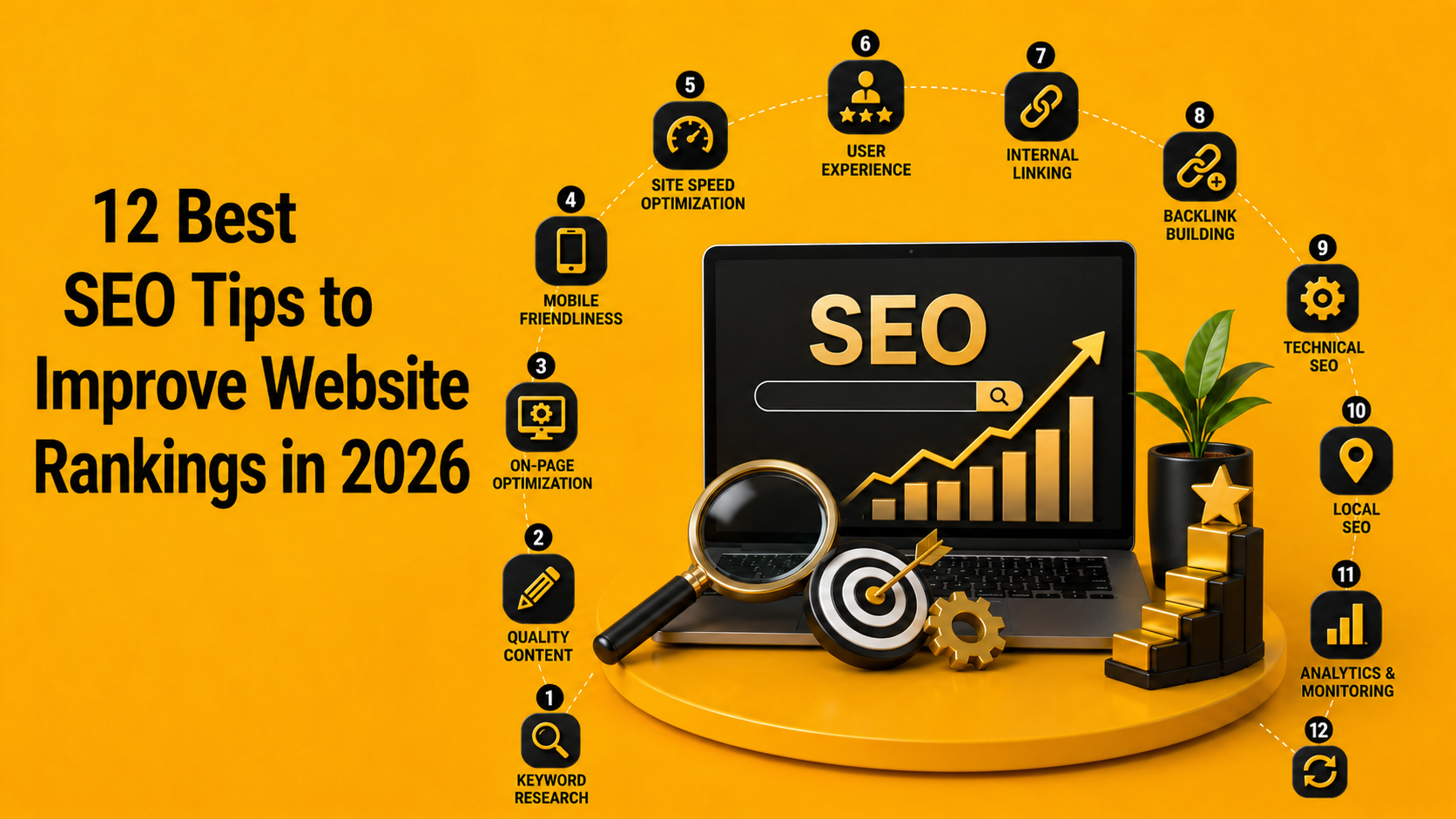
If you want better organic visibility in 2026, these SEO tips will help you focus on what actually matters.
- Start With Search Intent, Not Keywords
One of the biggest SEO tricks is also one of the easiest to overlook: figure out what the searcher actually wants. Suppose you want to rank for “email marketing software.” What does the person searching mean?
They might be looking for:
- The best email marketing platforms
- Software for a small business
- A comparison between Mailchimp and HubSpot
- Pricing information
- A definition of email marketing software
Those are completely different needs.
Before creating a page, search the keyword yourself. Look at what Google is already ranking. Are the results product pages, comparison articles, tutorials, category pages, or something else?
The SERP is basically Google telling you what it thinks the search intent is. Listen to it.
If comparison pages dominate the results, don’t publish a generic “What Is Email Marketing?” article and hope for the best.
Match the format and intent first. Then make your content better.
- Stop Writing for a Word Count
There is no magic number of words that makes Google rank a page.
Google explicitly says not to create content because you’ve heard there’s a preferred word count. Its guidance instead emphasizes helpful, reliable, people-first content that provides substantial value.
So don’t stretch a 700-word answer into 2,500 words just because someone told you “long-form content ranks.” If the answer needs 800 words, write 800. If the topic genuinely requires 3,000, write 3,000.
The goal isn’t to make the reader spend 15 minutes on your page. The goal is to make them leave with their question answered.
That distinction matters.
- Make Your Content More Useful Than the Current Top Results
Here’s a simple test for any SEO content.
If I removed the URLs from the first page of Google, would my article give readers a reason to choose it? If the answer is no, you probably haven’t added enough value. Don’t just rewrite what competitors have already said.
Add something of your own:
- Original research
- Expert commentary
- First-hand experience
- Screenshots
- Real examples
- Case studies
- Comparisons
- Data
- A useful framework or process
Google’s current guidance specifically asks whether content provides original information, research, or analysis and whether it offers substantial value compared with other results.
That’s a much better target than “make it SEO-friendly.”
- Fix the Pages That Are Already Almost Ranking
Here’s an SEO tip that can save you a lot of unnecessary content production:
Don’t always create a new page. Open Google Search Console and look for queries where your existing pages rank somewhere around positions 5-20. These are your striking-distance keywords. You already have Google’s attention. Now figure out why you’re not further up.
Maybe the page:
- Doesn’t fully answer the query
- Has weak internal links
- Needs better examples
- Is outdated
- Has a poor title
- Misses an important subtopic
- Doesn’t satisfy the search intent as well as competing pages
Google Search Console gives you clicks, impressions, CTR, and average position, along with query- and page-level performance data.
Use that information before deciding you need another 30 blog posts. Sometimes your next traffic increase is hiding inside a page you already published.
- Write Titles People Actually Want to Click
Ranking is only half the job. You also need someone to click.
Compare SEO Tips with 12 SEO Tips to Increase Organic Traffic in 2026. The second one tells the reader what they’re getting and gives the topic some context.
Your title should be clear, specific, and relevant to the search. Avoid turning it into clickbait, though. A dramatic title that promises something your page doesn’t deliver may earn a click, but it won’t earn trust.
Think of the title as your first sales pitch. You have one line. Make it count.
- Build Internal Links Like You Mean It
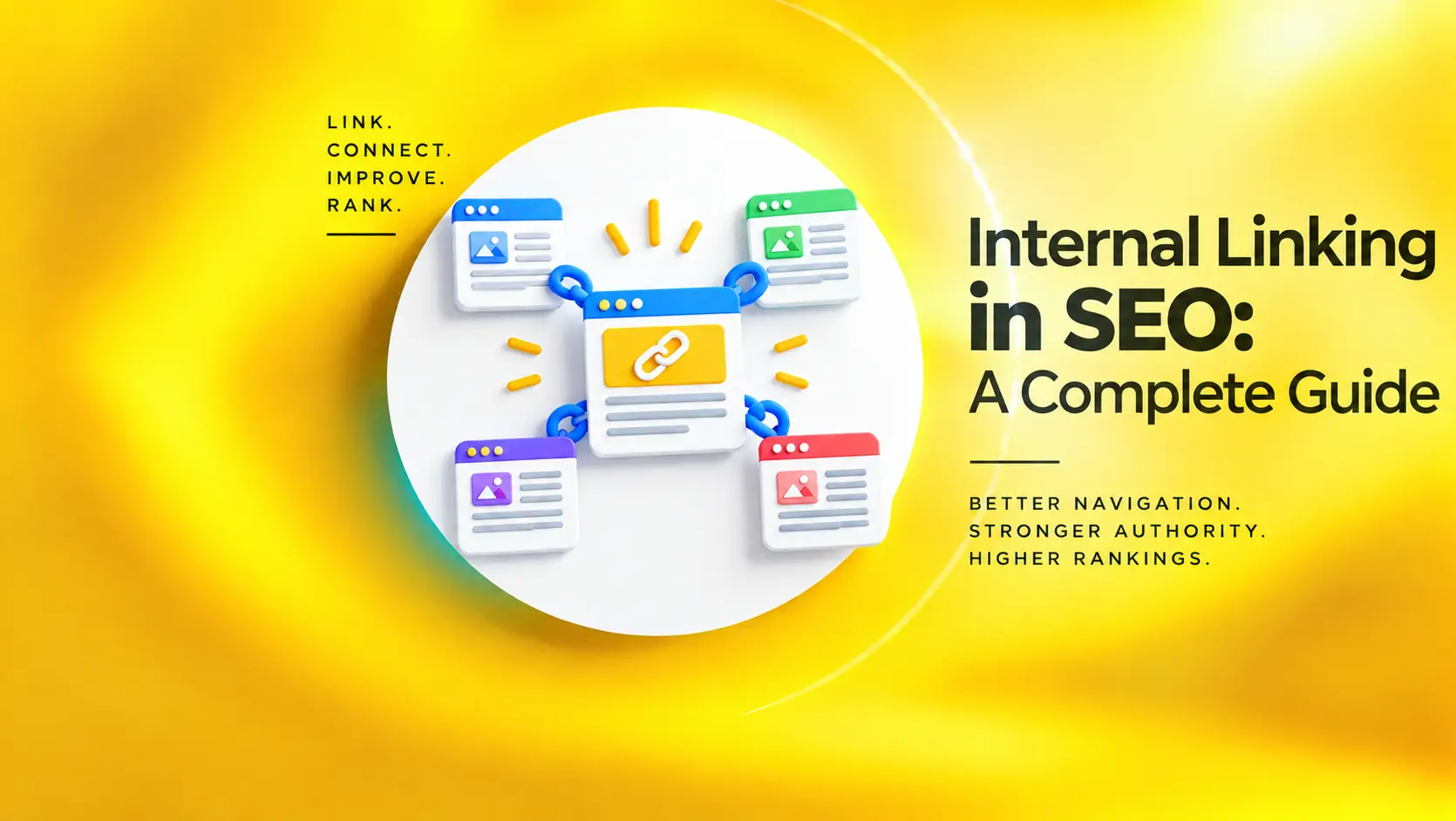
Internal linking is one of the easiest SEO improvements to ignore because it doesn’t feel particularly exciting.
But it matters.
Let’s say you have a strong page about technical SEO and a newer page about website crawlability.
Consider that you have a page on technical SEO and another one on website crawlability. If the former naturally mentions website crawlability, create an internal link to the latter. Avoid using “click here”.
Use keywords in anchor text to help both readers and search engines understand where the link leads.
In addition, pay attention to the existence of any orphan pages on your website, i.e., those that do not receive any internal links.
It is quite possible that if an important page is hidden from your site like a sock in the laundry pile, Google will not be able to find it either.
- Get Your Technical SEO Basics Right
You don’t need to become a full-time developer to handle technical SEO. But you do need to make sure Google can access, crawl, and understand your website.
Basic things to look for:
- XML sitemap
- Robots.txt
- Canonical
- HTTPS
- Broken links
- Redirects
- 404 errors
- URL duplicates
- Mobile usability
- Indexing problems
According to Google’s Search Essentials, you should create content that is available to search engines and use the right keywords in important places such as titles, headings, alt text, and anchor text.
A brilliant article won’t do much if Google can’t properly crawl or index the page. SEO starts with making sure the door is actually open.
- Take Core Web Vitals Seriously
Nobody enjoys waiting for a website to load.
Google measures three Core Web Vitals:
- LCP: How quickly the main content loads.
- INP: How responsive the page is when someone interacts with it.
- CLS: How much the layout unexpectedly shifts while loading.
Google’s recommended thresholds are an LCP of 2.5 seconds or less, an INP of 200 milliseconds or less, and a CLS of 0.1 or less, measured at the 75th percentile.
You don’t need to obsess over milliseconds. Start with the obvious problems:
Compress oversized images. Remove unnecessary scripts. Improve server response time. Fix layout shifts. Don’t make mobile visitors download half the internet just to read a paragraph. Good technical SEO should make the website better for humans first.
- Create Topic Clusters Instead of Random Content
Publishing a blog post on SEO now, one about social media later, and then one on office furniture in another week does not constitute a content strategy.
Develop your topic clusters around subjects in which your business has expertise.
Example :
Topic cluster for a company providing cybersecurity services might be “small business cybersecurity”:
- Checklist For Small Business Cybersecurity
- Types Of Cybersecurity Threats To Watch Out For
- Employee Cybersecurity Training
- Password Cybersecurity
- Preventing Phishing
- Endpoint Security
And link to them internally within each other.
In that case, in the end, you are not only creating posts. You’re building a body of related knowledge.
That gives users more useful paths through your website and helps search engines understand what your site is actually about.
- Don’t Treat Backlinks Like a Numbers Game
Yes, backlinks matter. No, you don’t need 500 questionable links from websites nobody has heard of.
A relevant link from a credible industry publication can be far more meaningful than dozens of random links. The best link-building strategy starts with creating something worth referencing.
Try:
- Original research
- Industry statistics
- Free tools
- Calculators
- Original surveys
- Data studies
- Expert guides
- Useful templates
Then promote those assets to journalists, publishers, industry sites, and relevant communities.
If your “link-building strategy” is sending strangers 200 emails that begin with “I loved your amazing article!”, it may be time for a rethink.
- Optimize for AI Search Too
Search isn’t just ten blue links anymore.
Google now uses AI-generated summaries in search, and that changes how websites compete for visibility.
Pew Research Center analyzed 68,879 Google searches from March 2025 and found that users clicked a traditional search result in 8% of visits when an AI summary appeared, compared with 15% when there was no AI summary. Only 1% of visits resulted in a click on a link within the AI summary itself.
That’s significant.
Your content now needs to be useful not only as a ranking result but also as a source that search systems can understand and potentially reference.
Google’s own guidance for AI search emphasizes the same fundamentals: unique, valuable content, strong page experience, and technically accessible pages.
So don’t chase some mysterious “AI SEO hack.” Create genuinely useful information. Original data. First-hand expertise. Specific examples. Expert opinions. Clear explanations. In other words, give search engines something worth citing.
- Measure SEO Like a Business, Not a Vanity Project
Traffic looks great on a report. Revenue looks better. A page getting 20,000 organic visits isn’t necessarily successful if nobody buys anything.
Track the full journey:
Impressions → clicks → engagement → leads → qualified leads → customers → revenue
For an e-commerce company, that might mean tracking organic revenue and product conversions. For a B2B company, it could mean demo requests and qualified leads. For a local business, it could mean calls, bookings, or direction requests.
The right SEO metric depends on what the page is supposed to accomplish. And don’t panic every time rankings move.
SEO is rarely a straight line upward. Look for meaningful trends over time, identify what changed, and use the data to decide what to improve next.
Final Takeaway
The best SEO advice isn’t really a collection of tricks. It’s a way of thinking.
- Understand the searcher.
- Create something genuinely useful.
- Make it easy for Google to crawl and understand.
- Build authority around topics you actually know.
- Keep improving pages based on real data.
And most importantly, don’t create content just because a keyword tool gave you another 47 variations of the same phrase.
Google’s current guidance is remarkably clear: create helpful, reliable, people-first content rather than content designed primarily to manipulate rankings.
That’s good SEO advice, and honestly, it’s good marketing advice too.
FAQs
- What are the most important SEO tips for beginners?
Consider search intent, useful content, technical SEO, internal linking, and Google Search Console. There is no need to focus on all areas at the same time. First, make your site searchable and indexed. Then optimize pages that have already been found by search engines.
- How long does SEO take to work?
There is no universal timeline. Competition, website authority, technical SEO, content quality, and the particular search query play roles in this process. Existing websites can receive results faster through optimizing already visible pages.
- Are SEO tricks still effective in 2026?
The tricks that will allow you to change your ranking artificially won’t give you the desired result. The “tricks” that you can consider using are more like useful SEO tips: working on CTR, targeting long-tail keywords, building internal links, fixing technical issues, and producing original content.
- Does AI-generated content hurt SEO?
The use of AI in itself is not the biggest problem. What matters is the usefulness, accuracy, originality, and target audience of the final product. Google warns about the risk of using automation to manipulate search rankings.
- What SEO metrics should I track?
At least, track organic clicks, impressions, CTR, average position, and conversions. Google Search Console helps you understand your visibility, while analytics and CRM provide insight into what this visibility means for the business.